Modern Kitchen Cabinets vs Traditional: A Complete Style Guide for Every Home
Sammys
June 1, 2026
Why Cabinet Style Is the Foundation of Kitchen Design
Cabinet style is the single most visible design decision in any kitchen. Cabinets cover more surface area than any other element — more than countertops, more than flooring, more than appliances — which means their visual character sets the tone for everything else in the room. Choosing between modern kitchen cabinets vs traditional is not simply a matter of aesthetic preference; it is a decision that shapes how the space feels to live in, how it relates to the rest of the home, and how it will age over the years ahead.
This cabinet style guide examines both approaches in depth — their defining characteristics, their practical implications, and the wide range of variations that exist within each category — so that your next kitchen project begins with clarity rather than confusion.
The Core Distinction: Philosophy Before Aesthetics
To better compare the various door styles, finishes, and hardware available today — it is helpful to first comprehend how the two different types of kitchens — modern and traditional — differ from each other based upon their respective philosophies.
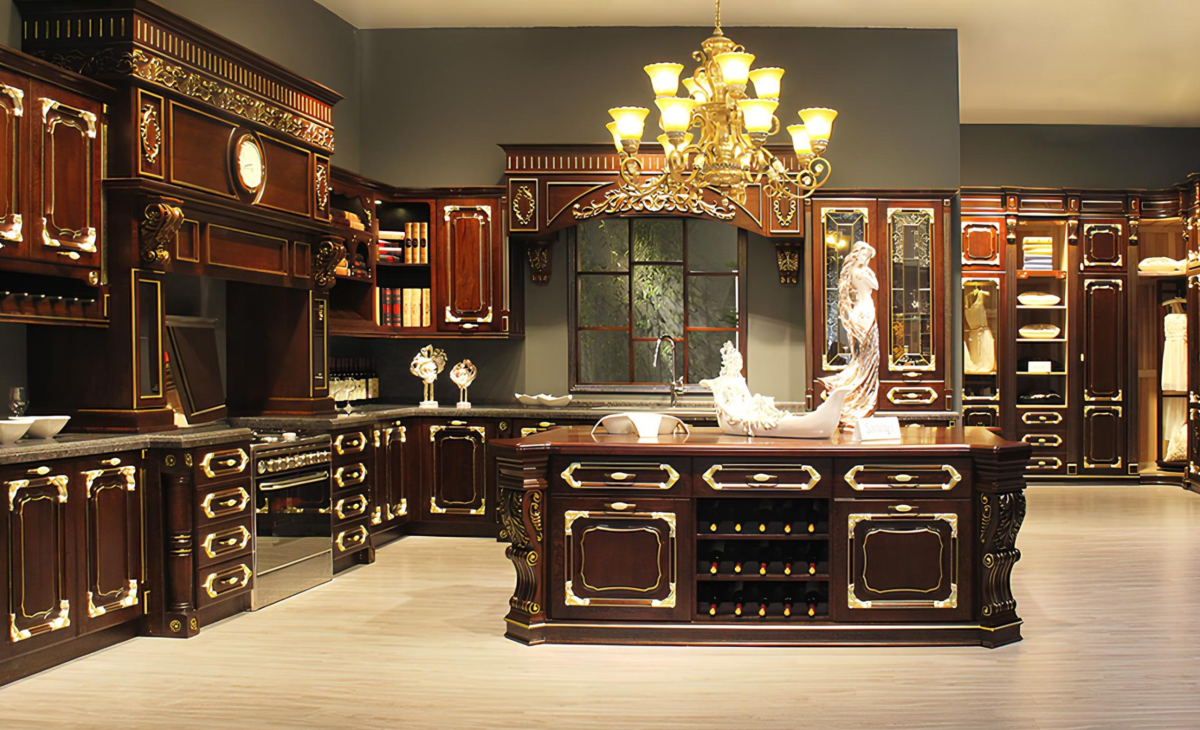
Traditional kitchen design gets its language from both architectural millwork and historical European furniture-making and focuses on craftsmanship, ornamentation, and the feeling of permanence from materials and details that relate back to the past. Traditional kitchens were also designed to appear as if they have been there forever; settled in place, carefully thought out, and designed for durability.
On the other hand, modern kitchen interiors are designed based on principles established throughout the twentieth century; for example, to eliminate unnecessary ornament from the room, to express structure and materials with integrity, and to believe that function and beauty go together. Modern kitchens are designed to give the user a feeling of efficiency, and they are devoid of clutter while also being able to provide an optimistic view of the future.
In addition to their differing aesthetics, these two kitchen design philosophies have actual underlying concepts regarding how the kitchen will impact the overall experience of the user and how the kitchen will function within the rest of the home. Therefore, if you can determine which kitchen design philosophy best represents who you are and your personal style, you will have a good foundation from which to begin your search for new kitchen style inspiration.
Traditional Kitchen Cabinets: Craftsmanship and Character
Defining Features
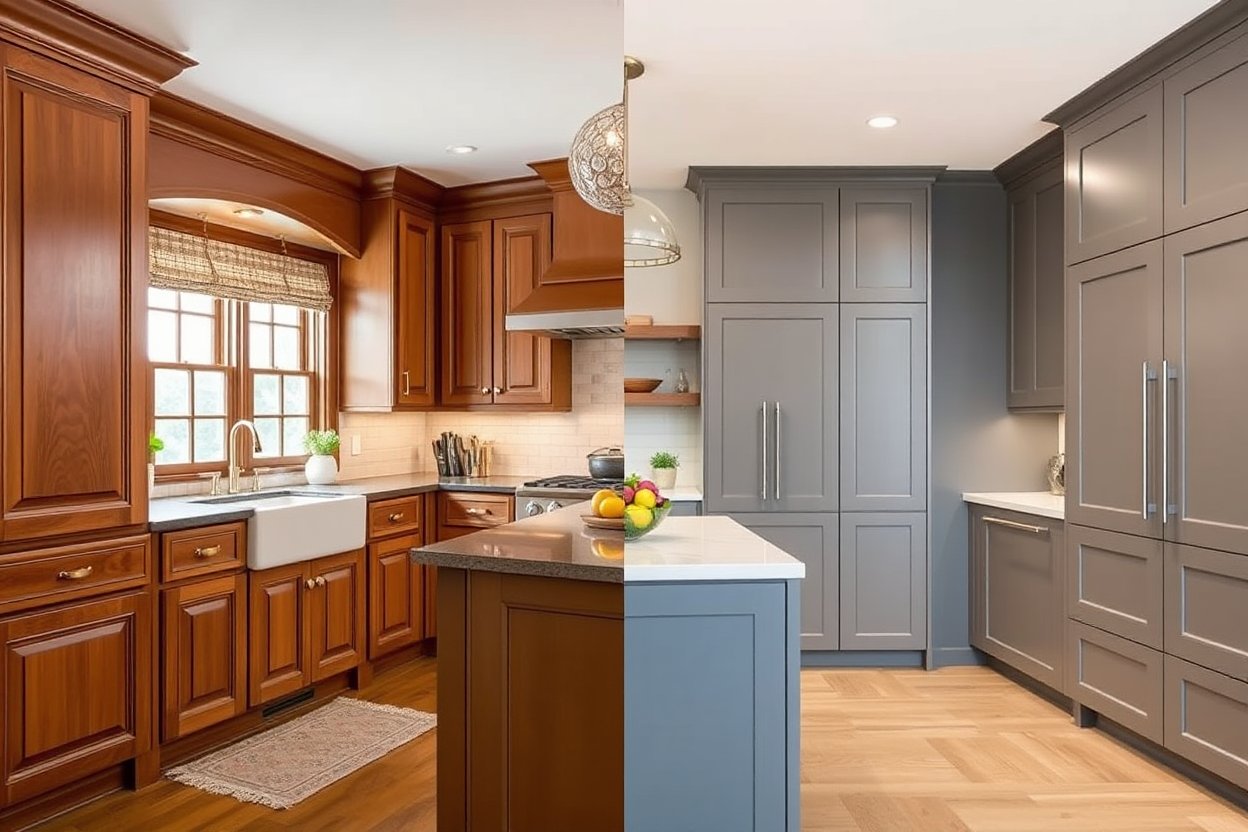
Traditional cabinetry can be identified by its relationship to the decorative arts. The raised panel door is a common style in traditional cabinets, as it has a border (frame) around the main part of the door, which (by definition) will be elevated slightly above the surface of the frame. The style and construction method for this door type is called frame-and-panel construction, and this is not only a styling element; it was originally conceived to allow solid wood (the main part of the door) to move naturally within the frame due to compression or expansion from changing humidity.
Shaker cabinets occupy a position between traditional and modern that has made them the most popular cabinet style in residential kitchens for the past two decades. The shaker door is a recessed panel design — a flat central panel set within a simple square-edged frame — that emerged from the Shaker religious community's commitment to honest, unornamented craftsmanship. Its genius is its adaptability: painted white in a bright kitchen it reads as clean and contemporary; finished in a warm stained wood with antique brass hardware it becomes unmistakably traditional.
Traditional cabinet craftsmanship making process covers more than just the profile of the doors; it covers the cabinet box construction, the joinery used to connect the corners and joints, the species of wood used to make the cabinets, and how much attention is paid to small details (bead board backs of cabinets, the feet on the base cabinets, and the crown moulding around the ceiling).
Traditional Cabinet Colors and Finishes
Traditional cabinet colors tend toward the warm end of the spectrum. Cream, antique white, warm grey, sage green, and the natural tones of stained hardwoods — cherry, walnut, mahogany, and oak — are the palette most closely associated with classic kitchen cabinets. These colors communicate warmth, familiarity, and comfort.
Comparisons of traditional cabinet finishes show how traditional styles of stain finishes let the natural grain of wood show through for a very classic looking style. Glaze finishes were created by adding a dark color over a previously painted wood or previously stained wood. Glaze finishes are then wiped off to enhance the detail and profile of the furniture. There is a lot of history in the finishes that give the kitchen a historic feel.
Many classic kitchen interiors using traditional style cabinetry utilize other warm materials, like natural stone countertops, ceramic tile backsplashes, hardwood or stone flooring, and textiles, which all have a softening effect on the kitchen creating a kitchen that welcomes people. The overall feeling of the kitchen will be based around the enjoyment of cooking and socializing versus the benefit of efficiency alone.
Modern Kitchen Cabinets: Clarity and Precision
Defining Features
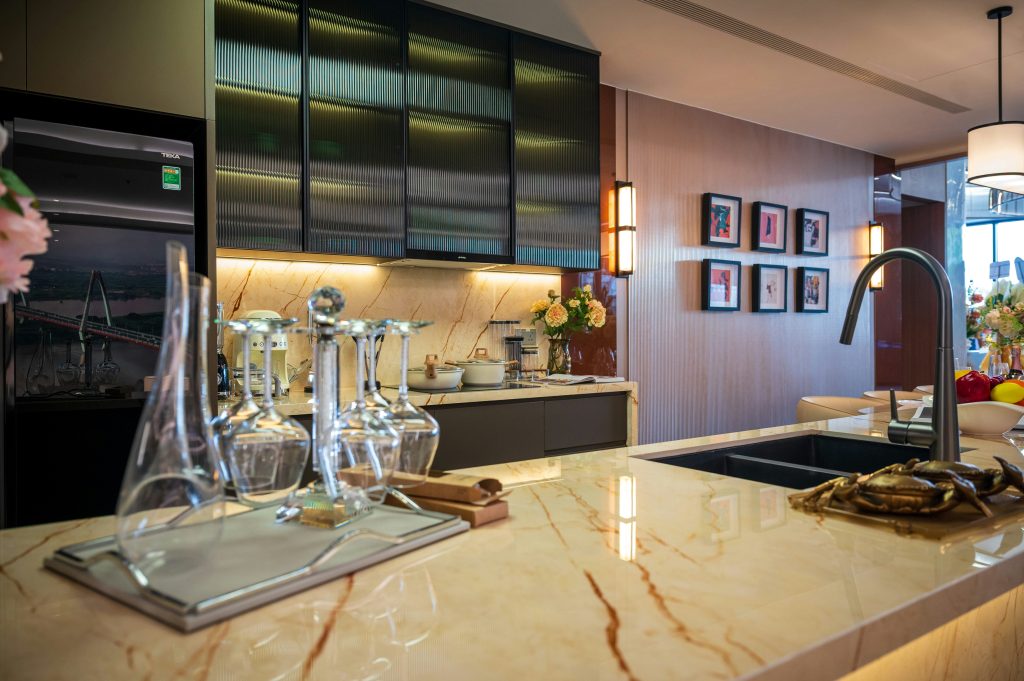
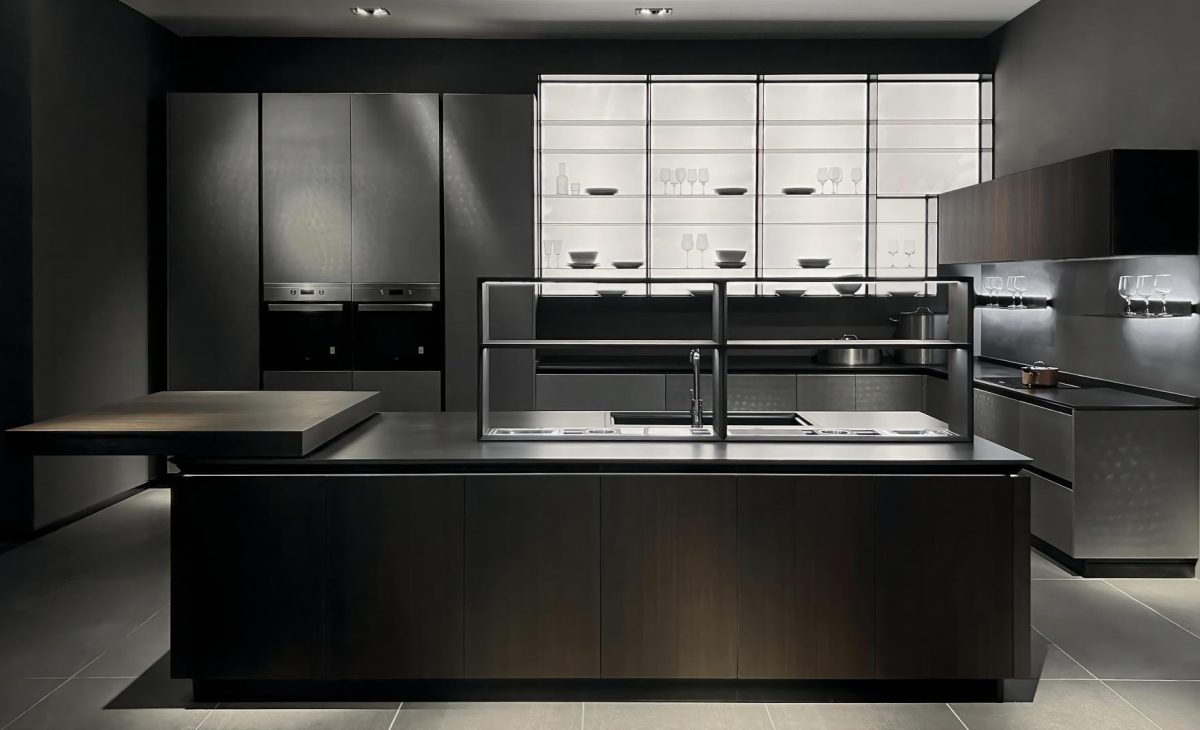
Modern cabinet styles are defined by the absence of applied decoration. The flat panel cabinets — also called slab doors — are the purest expression of this approach: a single uninterrupted plane of material, with no frame, no raised or recessed panel, and no moulding. The beauty of a flat panel door lies entirely in the quality of its material and finish, the precision of its edges, and the consistency of its gaps.
Minimalist kitchen cabinets take this reduction further still. In a kitchen that has been designed with a completely minimalist approach, there are no handles or pulls - these have been replaced with mechanisms that you push to open, finger pulls that are built into the door edges or channels along the inside, and then the doors themselves simply form a continuous surface area. The end result is that the cabinetry looks almost more like part of the architecture of the room than furniture.
Contemporary kitchen cabinets offer families a greater degree of warmth and materiality than what is found in pure minimalist design. The use of natural wood veneers, textured glass inserts, and an ever-expanding range of mixed materials (e.g. matte lacquer cabinets plus open oak shelving) is very indicative of contemporary cabinetry. This style is closely tied to various trends in home improvement today, with influences from Scandinavian interiors, Japanese minimalism, and the continual development of biophilic design.
Modern Cabinet Colors and Finishes
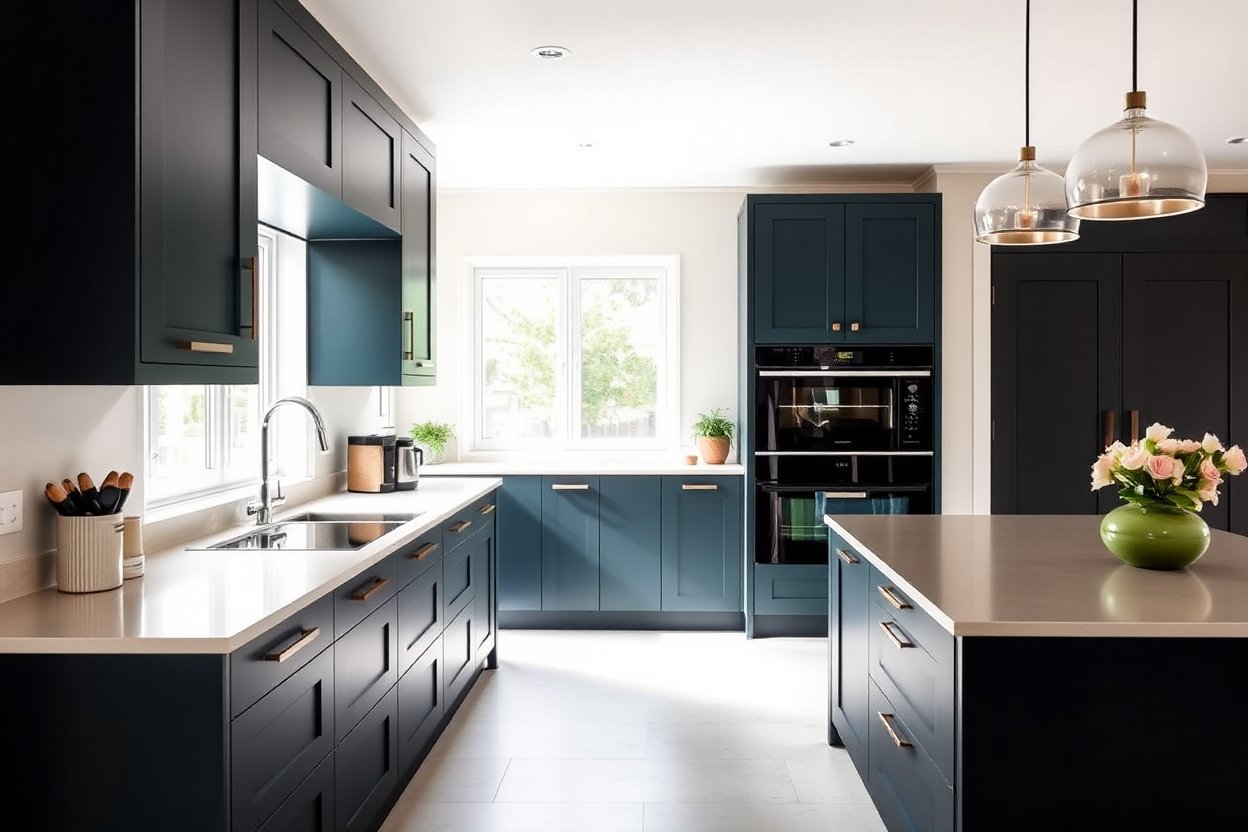
Modern cabinet colors have expanded well beyond the white and grey palette that dominated the style in its early residential applications. Current cabinet design trends include deep navy and forest green as full-cabinet colors, warm greige tones that bridge modern and traditional, and two-tone configurations that use a darker color on base cabinets and a lighter or contrasting tone on uppers.
In this day and age, the use of matte finished materials in contemporary kitchen spaces has become the norm because these types of surfaces can absorb light instead of reflecting it back, allowing for a more serene, sophisticated appearance. Although glossy lacquer was once widely used as a dominant finish and was considered to be ultra-modern, its usage as a dominant finish has decreased significantly and is now typically used to create an intentional accent or statement surface.
Cabinet finish comparison within the modern category reveals that the quality of the finish is more exposed in flat-panel designs than in profiled traditional doors. Any inconsistency in color, any surface texture irregularity, or any imprecision at edges is visible on a slab door in a way it would not be on a raised panel door with its complexity of shadow lines and detail. This is why modern cabinetry ideas at the higher end of the market place such emphasis on the precision of finishing.
Cabinet Style Comparison: A Structured Overview
A side-by-side cabinet style comparison across the key design dimensions helps clarify how these approaches differ in practice:
| Design Dimension | Traditional Kitchen Cabinets | Modern Cabinet Styles |
|---|---|---|
| Cabinet door styles comparison | Raised panel, recessed panel, shaker | Flat slab, handleless, integrated grip |
| Traditional cabinet colors | Cream, warm white, stained wood, sage | N/A |
| Modern cabinet colors | N/A | White, grey, navy, green, warm neutrals |
| Cabinet hardware styles | Bin pulls, cup handles, knobs in brass or bronze | Integrated, bar pulls, minimal in brushed metal |
| Ornamentation | Crown moulding, furniture feet, glazing | None — detail through proportion and material |
| Cabinet visual comparison | Warm, layered, textured | Clean, precise, continuous |
| Material expression | Wood grain, painted profiles, glaze | Matte lacquer, veneer, glass, stone |
| Ideal setting | Period homes, farmhouses, transitional | Contemporary builds, open-plan spaces |
Cabinet Hardware Styles: The Detail That Defines the Style
No single element signals the style direction of a kitchen more instantly than hardware. Cabinet hardware styles function as punctuation — they can confirm the style direction set by the door profile, or they can deliberately subvert it to create a hybrid effect.
Cookware in traditional models have historically been designed using hardware of an ornamental nature made from materials bold in their use of warm hues, such as bin pulls (the type of drawer knob used for the apothecary-style cabinet), cup handles, and ceramic knobs made from materials such as antique brass or lacquer-free bronze, or patinas made from iron. The intent behind the use of these applications as means of accentuating elements found within the design of the kitchen itself, not necessarily to be integrated into the base materials used for construction purposes but rather to highlight the various components of that overall aesthetic.
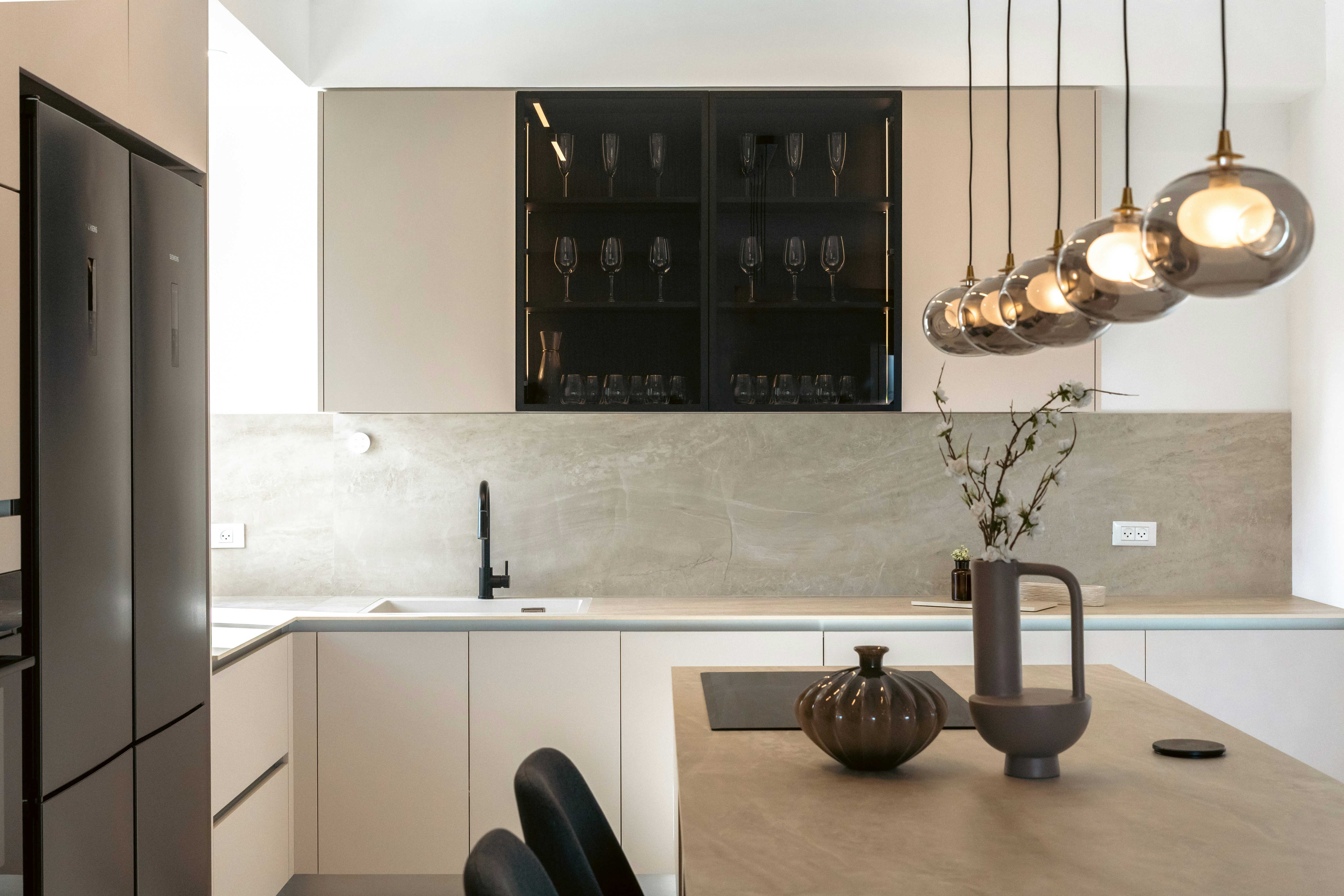
In modern cabinet styles, hardware is either absent entirely or reduced to its most minimal form. These days when a kitchen has any types of handles they generally consist of long bar pulls made from either brushed stainless steel, matte black, or brushed brass; these types of finish create warmth in an otherwise cold looking environment, but don't over-power either the cabinetry or countertop.
With the increasing use of shaker cabinets in kitchens that incorporate a transitional style of design, another unique hybrid hardware design trend has been created; they have combined the traditional shaker door profile with long, modern bar pulls instead of the traditional knob/cup handles that were traditionally used on shaker style cabinets. This combination appears consistently in kitchen cabinet design ideas from designers working across the modern-traditional boundary.
Cabinet Layout Styles and Functionality
Cabinet layout styles differ between modern and traditional kitchens in ways that go beyond aesthetics into genuine functional differences.
Modern cabinet functionality prioritizes efficiency and integration. Tall pantry cabinets eliminate the disruption that occurs when you have upper and lower cabinets. The installation of integrated refrigerators, dishwashers, and ovens (all hidden away within the same cabinet styling) gives you an uninterrupted face. Base cabinets use deep drawers instead of shelves to store items because a drawer allows you to use all of the cabinet's available space without bending down or reaching far into the cabinet in order to access the back of the shelf. Every element of cabinet design elements in a modern kitchen is evaluated for how well it supports efficient use.
Traditional kitchen design embraces a more furniture-like approach to cabinet layout styles. Upper cabinets with glass-front doors display china and glassware as part of the room's decoration. Open plate racks, pot rails, and butler's pantry configurations are common. The kitchen is organized to feel like a collection of complementary pieces rather than a single integrated system — which often makes it feel more personal and more human in scale, if slightly less efficient.
Cabinet design elements that appear in traditional kitchens — corbels supporting shelf ends, beaded inset frames, furniture-style legs on islands — all serve to reinforce the sense that the kitchen was assembled over time from pieces chosen for their individual quality rather than specified as a unified system.
Luxury Kitchen Cabinet Styles: Where Modern and Traditional Converge
At the upper end of the market, luxury kitchen cabinet styles from both traditions share more common ground than their aesthetic differences might suggest. Both prioritize quality of material over cost of material, precision of construction over speed of production, and the sense that the kitchen was designed for a specific person in a specific home rather than assembled from a catalogue.
Luxury kitchen cabinet styles in the modern tradition might feature hand-applied lacquer in a custom color, solid brass integrated handles machined to a bespoke profile, or stone-veneer door fronts cut from a single slab for perfect continuity of veining. In the traditional tradition, luxury might mean solid cherry cabinets with hand-carved details, hand-rubbed oil finishes applied over weeks, or custom glazing techniques developed collaboratively between the designer and the finisher.
Kitchen cabinet themes at this level of specification are always highly personal — they reflect the specific tastes, lifestyle, and material preferences of the owner rather than any generic style category. This is the point at which cabinet style recommendations give way to genuine design collaboration.
Cabinet Design Evolution: Where the Styles Are Heading
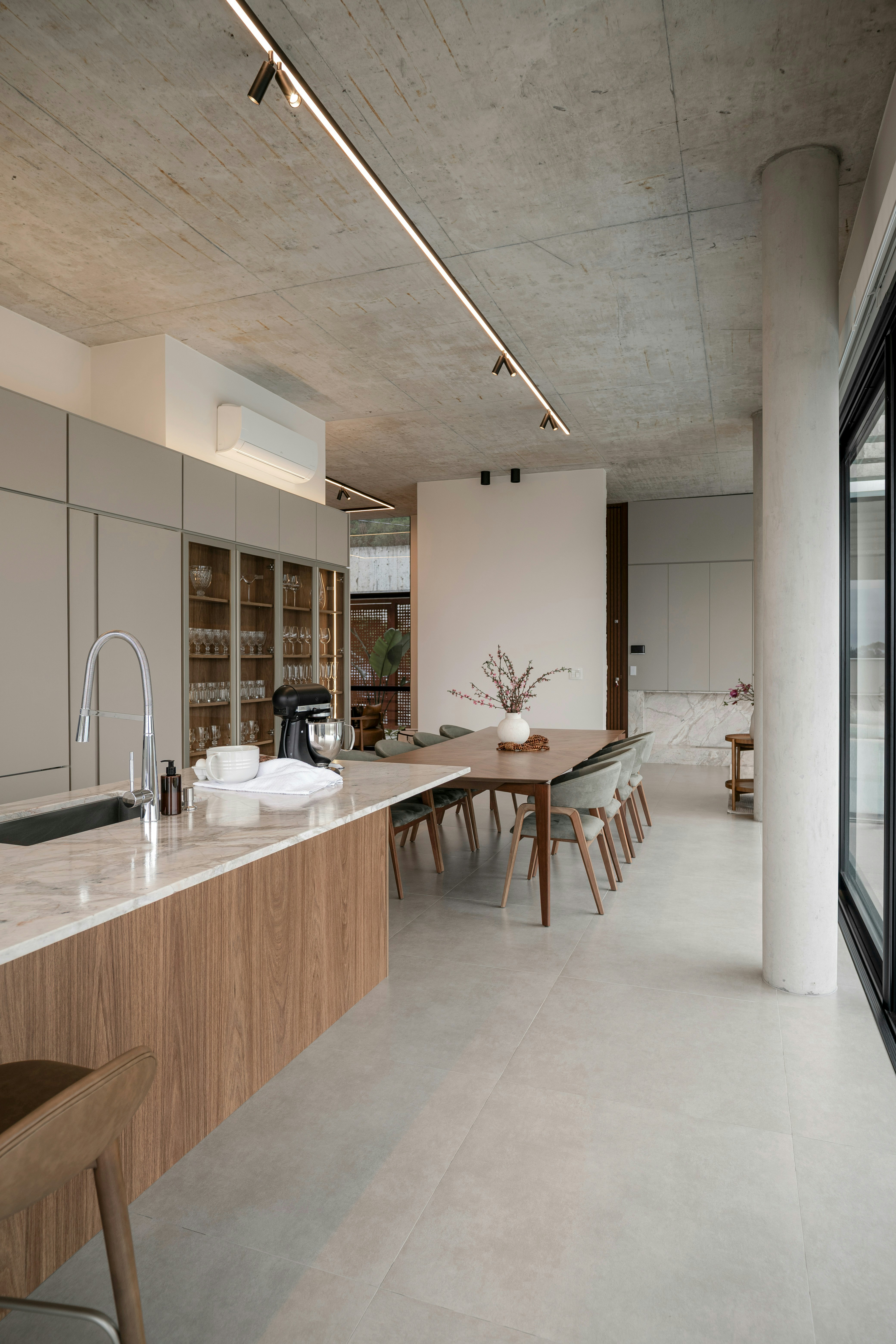
Cabinet design evolution over the past decade has moved in a consistent direction: toward the softening of hard distinctions between modern and traditional. An increase in the popularity of the "transitional" kitchen style has been perhaps the most talked-of kitchen renovation trend. Transitional kitchens include the simple and functional shape of modern cabinetry while utilizing the beauty, warmth, and style of traditional wood textures and colours.
The craze for warm walnut, white oak and cerused oak woods as the main material of choice in an otherwise contemporary kitchen has brought back the warmth that can sometimes be missing in contemporary design. Shaker door profiles continue to dominate across price points because of their adaptability to both directions. And the two-tone kitchen — one color on base cabinets, another on uppers or on the island — has become one of the most reliable kitchen cabinet design ideas for achieving visual complexity without committing fully to either style tradition.
The trajectory of cabinet design trends suggests that the future of kitchen design is less about choosing a side and more about understanding the principles of each tradition well enough to combine them intelligently. The best kitchens of the next decade will likely be ones that cannot be easily categorized as modern or traditional — because they will have been designed to serve the specific needs of the people who live in them, drawing on whichever elements of either tradition best support that purpose.
Making Your Choice: Cabinet Style Recommendations
Cabinet style advice provides diagnosis of what works best for each individual home instead of providing one right answer. Cabinet style advice helps determine which style will best fit your existing architecture.
A traditional cabinet will work for your kitchen if:
- You have historic features such as cornices, sash windows, etc. that are compatible with the character of a traditional style kitchen.
- You want warmth and texture in your kitchen and an impression that the space has been used and loved.
- You cook often and need a kitchen that gives priority to the enjoyment of cooking rather than solely the efficiency of cooking.
Choose modern cabinet styles if:
- Your residence is a new construction with simple architectural forms and open living areas.
- While you’re someone who enjoys a clean, simple visual setting, you’re willing (or able) to maintain the discipline of getting organised that minimal decorations require.
- Functionality is the most important aspect of your modern kitchen cabinets — integrated appliances, drawer-based storage and seamless surfaces take precedence over any decorative expression.
Choose a transitional hybrid if:
- You are drawn to elements of both traditions and want a kitchen that combines the warmth of traditional materials with the structural clarity of modern design
- Your home sits somewhere between period and contemporary in its architectural character
- You want a kitchen that will remain visually relevant across a longer period than either pure style might achieve on its own
Whichever direction you choose, the principles of good kitchen remodeling styles remain constant: design for how you actually live, select materials for how they will perform over time, and trust the details — because in cabinet design, as in all design, the details are where the difference is made.
Related products
Versailles·Collection
Lotus Phantom
How can we help you?
Get your free quote in 8 hours.