
Kitchen Cabinet Buying Guide: Style, Materials, & Budget Explained
Sammys
June 12, 2026
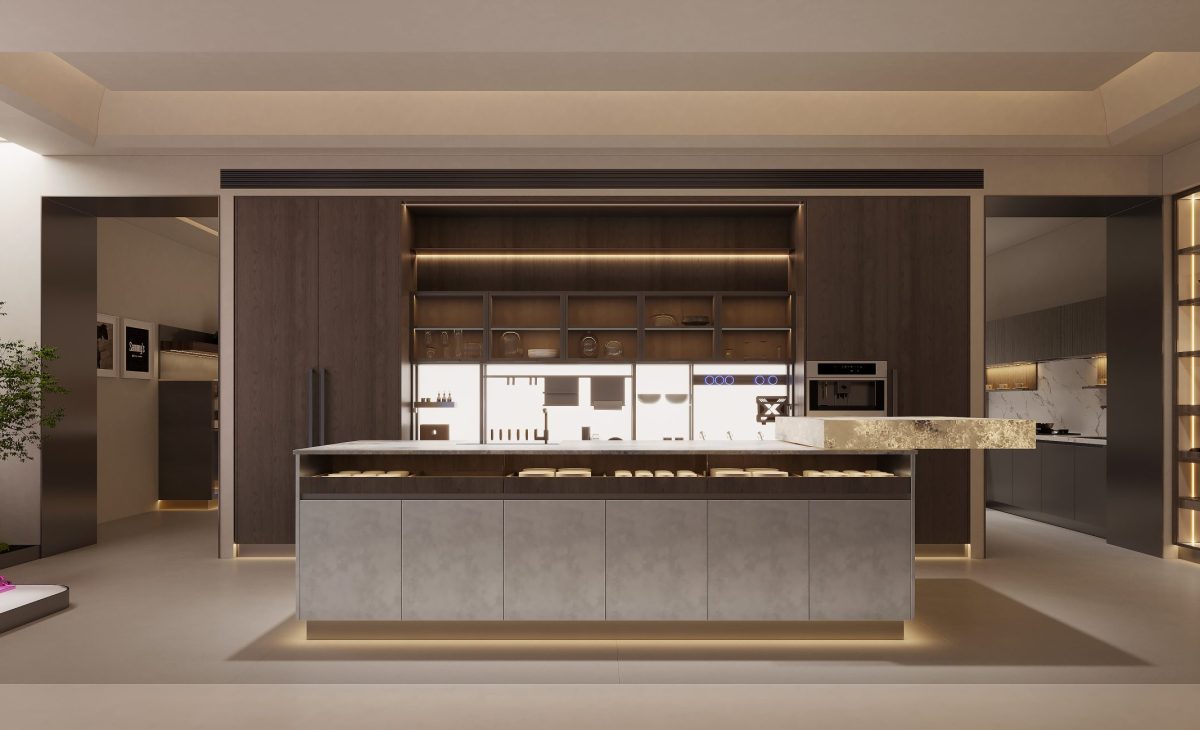
The kitchen has become the architectural means of anchoring the contemporary dwelling. It serves as the focal point of a high-traffic venue that merges the precision of cooking with the socializing of family and friends and requires a balance between the engineering of the structure and the artistry of the kitchen to provide a warm and inviting atmosphere. In the process of remodeling your kitchen, you will spend your most substantial dollar and spatial investment in the cabinetry you select for your kitchen. The cabinetry you select for your kitchen will define how well the room flows, what style of design is portrayed in your home, and how many times your cabinetry will receive normal wear and tear daily.
The vast multitude of choices available in the kitchen cabinet marketplace can be daunting; therefore, as you explore options for cabinetry to remodel your kitchen, you need to balance the visual appeal of your cabinetry with the physical construction of your cabinetry and be able to spend within your defined budget. This comprehensive kitchen cabinet buying guide serves as a definitive roadmap for your kitchen cabinet purchasing decisions. Whether you are looking for best kitchen cabinets for your high-end estate, affordable kitchen cabinets that maximize your dollars without sacrificing quality or style, or developing an organized cabinet shopping checklist of what to purchase for an upcoming weekend project, this technical guide contains the depth of construction specifications you will need to convert your design concept into a durable product.
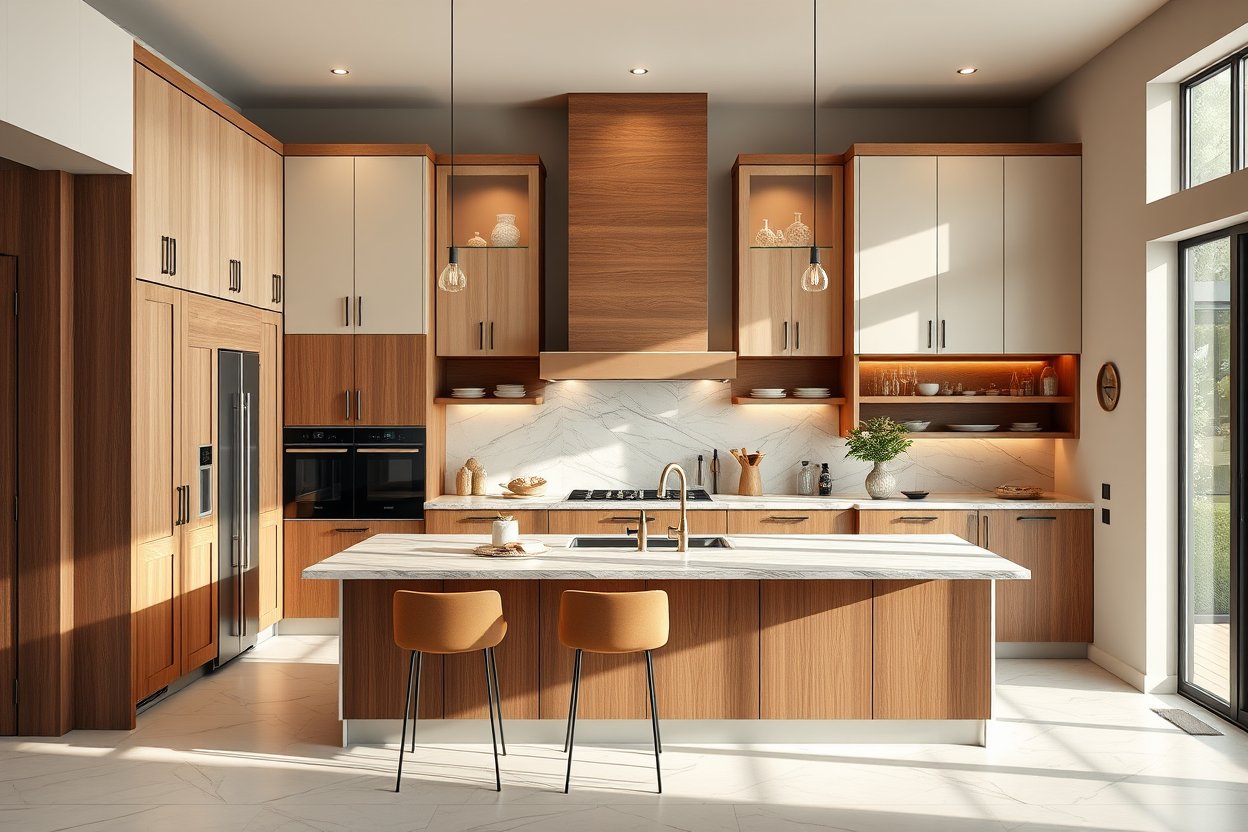
1. Groundwork: Kitchen Renovation Planning and Spatial Strategy
Every successful structural transformation begins long before wood is cut or layouts are drawn. Rushing into the aesthetic selection process without a solid foundation in kitchen renovation planning is the most common cause of budget overruns and spatial inefficiencies. Cabinetry is fixed architecture; once it is anchored to your wall studs, modifying its footprint becomes an expensive and disruptive task.
The Phases of Layout Engineering
An effective kitchen remodeling guide must emphasize that spatial efficiency is determined by precise millwork layout. The initial phase of your project relies on strict cabinet layout planning, which charts the physical movement within the space. Designers track the traditional "Work Triangle"—the distance between the cooktop, the refrigerator, and the main sink—ensuring that your cabinetry layout supports, rather than hinders, human movement.

At this stage in the process, you’ll want to think about structural elements like plumbing stacks, electrical runs, gas lines, and window framing. A complete cabinet planning guide will involve measuring your space in millimeters at multiple heights, taking into account wall deviations as well as uneven flooring, to ensure that your tall utility boxes and corner units will fit properly.
Finding A Balance Between Style & Functionality
As you begin to look at kitchen cabinet ideas online, you may find yourself sidetracked by all the great lifestyle photos of kitchens. However, to make informed decisions when creating your new kitchen through kitchen cabinet decision making requires you to focus on visual appeal but also practical needs. Evaluating how your home is used by the members within, such as a serious cook who prepares meals every day, versus a simple homeowner (light entertainment usage), will lead to a significantly different storage layout, cabinet depths, and surface materials used throughout the project.
2. Structural Integrity: Cabinet Construction Guide
To make an informed purchase, you must understand what happens behind the finished exterior doors. True quality is found in the carcass construction, joinery methods, and structural backing panels. This cabinet construction guide breaks down the hidden details that separate temporary fixtures from lifetime furniture assets.
Cabinetry Construction Framing Styles
The global cabinetry market is divided into two distinct structural framing methodologies:
- Framed Cabinetry: A traditional American style where a solid hardwood face frame (usually 3/4-inch thick) is securely attached to the front of the cabinet box. The doors hinge directly to this frame, offering excellent structural rigidity and a classic look.
- Frameless (European-Style) Cabinetry: This modern method eliminates the face frame entirely. The doors attach directly to the side walls of the cabinet box, maximizing interior storage space and offering tight, clean gaps for a streamlined appearance.
Joinery and Box Construction Metrics
When evaluating kitchen cabinet quality, look closely at how the box corners are joined together. Low-cost options rely on staples, hot glue, or plastic cam-locks, which can loosen over time under heavy counter loads. High-end construction features traditional woodworker joinery, such as doweled joints or interlocking dovetail drawers.
In addition, a cabinet durability guide and a reliable source for cabinet durability scores indicate that, for will create a cabinet side with thicknesses between 1/2 to 3/4 inches. It is best to avoid using unbacked hardboard type panels for back panels, and use either a solid lumber type back panel made out of lumber or a sufficiently thick multi-layered plywood type material to support the use of heavy anchor screws without tearing.
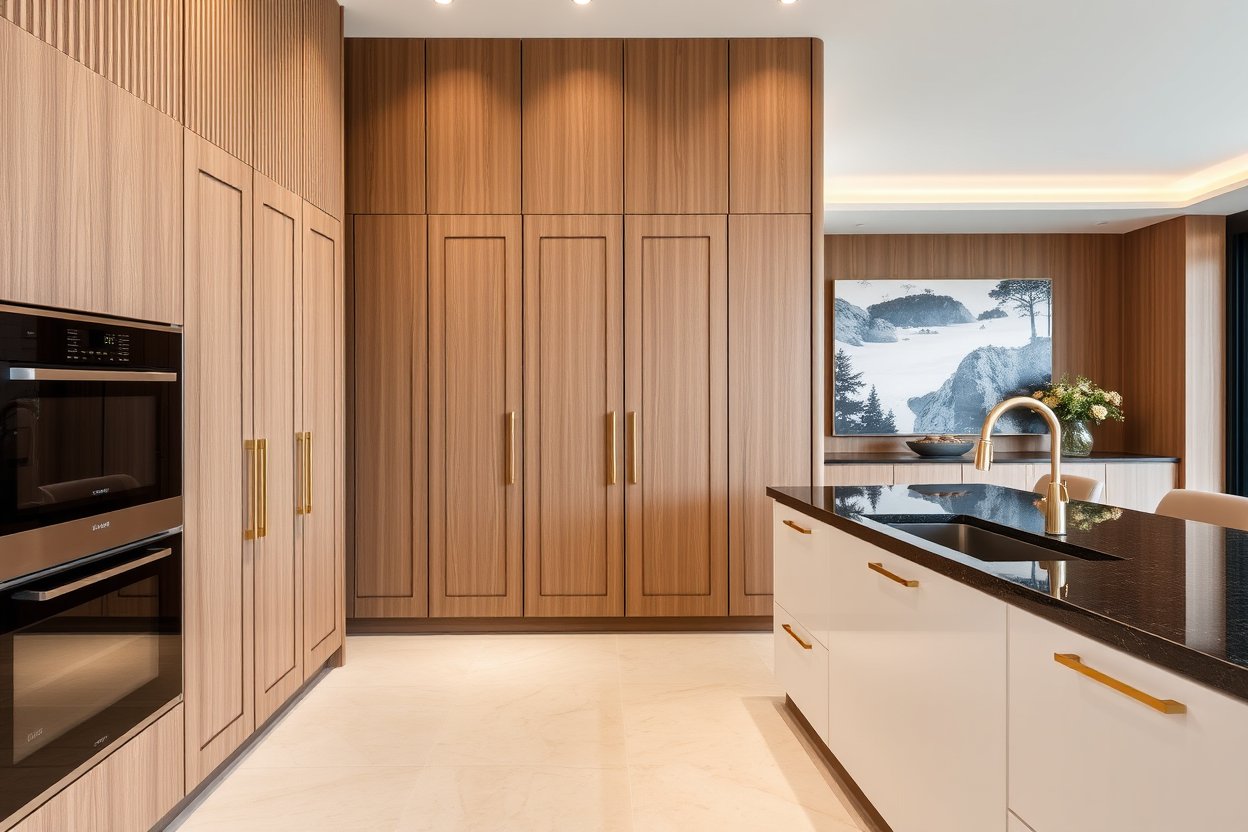
3. The Aesthetics of Millwork: Kitchen Cabinet Styles and Visual Trends
The exterior face of your cabinetry defines the visual character of your home. Selecting your preferred option from the array of available kitchen cabinet styles establishes whether your space feels historic, mid-century modern, or strictly contemporary.
Core Door Profiles
Types of door profiles are typically determined based on depth and ornamentation:
- Shaker Style – This is by far the most versatile profile. It consists of a flat center panel with a four-piece raised frame around the outside. This provides a perfect blend of old-world craftsmanship and modern-day simplicity.
- Slab [Flat Panel] – A single, smooth, flat surface that has zero decorative routing. The slab represents minimalistic design; therefore, it has clean lines and highlights the natural grain patterns of the wood.
- Raised Panel – A traditional design where the center panel sits up above the outer frame and is usually decorated with intricate molding patterns.
Current Trends in Kitchen Cabinetry
The current kitchen cabinet trends are leaning heavily towards a combination of mixed materials along with dark, rich cabinetry. Bright white cabinetry will continue to be a classic style; however, there is a lot of mixing going on with painted uppers and stained wood bases that are matched to add character to the design of your cabinets. Many homeowners are also choosing lots of earthy colors such as deep greens, soft reds/tans/pinks, and sophisticated shades of charcoal so the cabinet will appear more like furniture.
- Shaker Style – This is by far the most versatile profile. It consists of a flat center panel with a four-piece raised frame around the outside. This provides a perfect blend of old-world craftsmanship and modern-day simplicity.
- Slab [Flat Panel] – A single, smooth, flat surface that has zero decorative routing. The slab represents minimalistic design; therefore, it has clean lines and highlights the natural grain patterns of the wood.
- Raised Panel – A traditional design where the center panel sits up above the outer frame and is usually decorated with intricate molding patterns.
Current Trends in Kitchen Cabinetry
The current kitchen cabinet trends are leaning heavily towards a combination of mixed materials along with dark, rich cabinetry. Bright white cabinetry will continue to be a classic style; however, there is a lot of mixing going on with painted uppers and stained wood bases that are matched to add character to the design of your cabinets. Many homeowners are also choosing lots of earthy colors such as deep greens, soft reds/tans/pinks, and sophisticated shades of charcoal so the cabinet will appear more like furniture.
4. Materials and Finishes: The Surface Canvas
How your kitchen looks and how long it lasts will be influenced by the type of base materials and protective coatings chosen. Our cabinet material comparison provides an analysis of how various substrates perform under the normal wear and tear conditions of today's kitchens, including moisture, heat and impact.
Selecting the Correct Cabinet Substrate
- Solid hardwood has traditionally been the standard for face frames, door rails and drawer boxes. The strength and beauty of maple, oak, cherry and walnut can be maintained by sanding them down and refinishing them many (20+) years after they were originally installed.
- Plywood is made by gluing together thin sheets of wood veneer (thinly sliced) so that the grain runs in opposite directions (cross-grained) with a waterproof adhesive for bonding. Plywood exhibits superior dimensional stability, is resistant to moisture and is used for high-end cabinet boxes.
- Medium-density fiberboard (MDF) is the resultant composite product of broken-down wood fibres that have been resin bonded under high pressure. Since there is no natural grain to the MDF, it cannot warp, expand or contract as a result of moisture/humidity in the kitchen, making MDF an ideal substrate for smooth painted finishes.
Beautiful and Protective Finish Options
Your selection of cabinet finish options determines both the depth of color and the surface’s resistance to stains and scratches. Factory-applied, oven-cured conversion varnishes create a tough, durable shield that resists chemical spills and grease penetration. If you prefer modern minimalist styles, look into high-gloss acrylics or ultra-matte anti-fingerprint laminates, which are applied directly to an MDF core to deliver smooth, flawless surfaces.
| Base Substrate Material | Best Use Case | Moisture Resistance | Price Tier |
|---|---|---|---|
| Architectural Plywood | Box construction, structural shelves | Exceptional | Premium / High-End |
| MDF (Premium Grade) | Painted doors, complex routed profiles | Moderate (requires sealing) | Mid-Range / Accessible |
| Solid Maple / Oak | Door frames, drawer boxes, face frames | High | Premium / Luxury |
| Particleboard | Low-cost modular boxes, rental properties | Low (vulnerable to swelling) | Budget-Friendly |
5. Budgeting and Value Tiers: Navigating Costs and Options
Understanding financial boundaries is a vital step in your journey. A realistic cabinet pricing guide helps you allocate your funds efficiently, ensuring you do not overspend on exterior details while compromising on structural integrity. Total kitchen cabinet cost scales based on three production tiers: stock, semi-custom, and full custom.
Production Tiers Comparison
In terms of cabinetry, stock cabinets are mass produced into standard sizes (usually in increments of 3") and are available at most major retailers as ready-to-buy items; they provide a fast and inexpensive way to update your cabinets, but have no flexibility when it comes to cabinet size. Semi-custom cabinets are custom built to your specific order (using an established/custom style) but will not allow you to alter cabinet dimensions or drawer formations beyond factory specifications. Custom cabinets are made entirely out of custom materials by a professional cabinet maker according to your specifications. Custom cabinets can be measured and built to any dimensions, so they can maximize the amount of storage space around complicated architectural features in the whole room.

Smart Financial Planning
If your search for luxury kitchen cabinets is luxurious, full customization gives you an opportunity to have a unique, high-end space with exotic wood grains, integrated lighting channels and seamless floor-to-ceiling panels. On the other hand, if you’re operating on a more restrictive budget, there are still many great options available for sourcing semi-custom kitchen cabinets. When shopping for semi-custom cabinetry, look for products that utilize structural plywood boxes rather than particleboard; by doing so, you get an elegant design at a lower price point than traditional custom cabinetry.
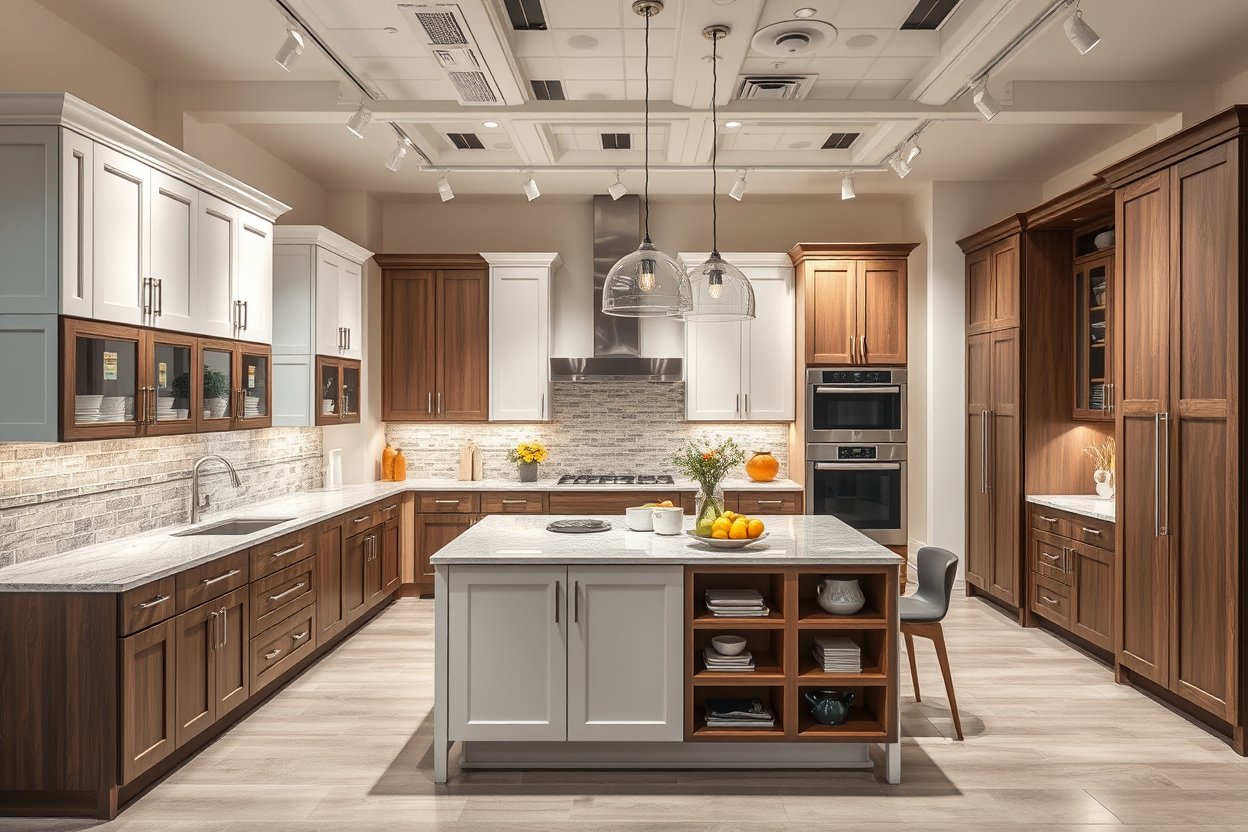
6. Inner Functionality: Storage Solutions and Hardware Engineering
A kitchen can look beautiful on the outside, but if the interior layout forces you to dig through dark corner spaces to find a pan, the design has failed. True luxury is defined by a system’s cabinet functionality guide, which transforms simple storage boxes into an efficient, organized workspace.
Solutions for a More Ergonomic Way of Storing
Ergonomically designed cabinet storage solutions are engineered so the items stored inside your cabinets come out to you instead of requiring you to bend down and reach into deep cabinets. Here are a few ways to incorporate high-usage ergonomic mechanisms into your design:
- Full-Extension Deep Drawers: By replacing standard lower base cabinets in your kitchen with robust full-extension deep drawers you can now store your heavier cooking utensils/pots (such as heavy frying pans) in a tidy way that allows for complete visibility and access from above.
- Blind Corner Pull Out Systems: An example of an engineered application utilizing an ergonomic solution is the popular “LeMans” pull out system that has articulated non-slip surfaces allowing for smooth and easy glide action when retrieving items out of dark corners located within the cabinetry.
- Integrated Waste and Recycling Pull Out Bins: Having double-bin trash receptacles that are located behind standard cabinet doors hides away waste and trash in order to enhance a clean and tidy identifying appearance.
Mechanical Moving Hardware
Your moving parts are the hardest-working elements in the entire kitchen. A professional cabinet hardware guide recommends specifying heavy-duty hardware from world-class European manufacturers. Lower drawers and doors should feature soft-close, liquid-damped mechanisms that prevent slamming and protect the cabinet structure from long-term impact stress. For upper wall cabinets, look into bi-fold lift systems that lift door panels up and out of the way, giving you full access to the interior without blocking your movement around the kitchen.
7. Procurement and Execution: Selection, Installation, and Care
Once you have chosen your materials and layouts, you enter the execution phase. This transition from selection to installation requires precise technical oversight to ensure your investment is protected and performs flawlessly.
Evaluating Brand Credibility
When researching kitchen cabinet brands, do not rely on marketing brochures alone. Look for independent, verified kitchen cabinet reviews that detail how a manufacturer’s products perform over years of real-world use. Pay close attention to feedback regarding finish durability, customer service support, and how well the brand honors its structural warranties. Comparing products across an independent kitchen cabinet comparison table helps you verify that a brand's construction methods match their price point.
The Professional Installation Sequence
Even the most expensive custom cabinets can look poor if installed incorrectly. A rigorous cabinet installation guide requires that the installation team verify that your walls are flat and plumb before any boxes are hung. The installation sequence must be followed precisely:
Identifying and marking wall studs
Utilizing a heavy-duty stud finder, identify the structural framing member(s) located behind drywall and clearly mark these locations along the install zone; marking these accurately will help ensure that all of your screws are at least partially attached to solid wood.
Establish a Level Benchmark Line
Find the highest point of your kitchen floor using a laser level. Measure up to the standard base cabinet height and snap a continuous, perfectly level reference line across all installation walls.
Mount Upper Wall Cabinets First
Always install upper wall cabinets before base units. This gives installers open, unrestricted access to the wall space and eliminates the risk of dropping heavy tools or upper boxes onto newly installed lower units.
Install and Level Base Cabinets
Position the base units, using adjustable leveling feet or cedar shims underneath the frame to ensure the top surfaces align perfectly with your benchmark line. Secure the boxes together through their face frames before anchoring them to the wall studs.
8. Preserving Value: Cabinet Maintenance Guide
A maintenance routine should be set up, to keep your new kitchen looking great and structurally sound for many years. The long-term cabinet care guide will explain how to protect the surfaces of your cabinets from these two kitchen hazards: moisture and heat.
- Moisture Control: Be sure to not hang wet dish towels on wood cabinet doors because moisture will gradually degrade the finish on the cabinets, and cause the raw wood to swell. Always wipe off the steam condensation from around your dishwasher and any boiling pan right away.
- Cleaning Solutions: Do not use rough, abrasive cleaning pads; ammonia-based cleaning sprays; or silicone-based polishes. Clean the surfaces using only a soft microfiber cloth that has been lightly soiled with warm water and a small amount of mild, pH balanced dish soap. Immediately dry any remaining moisture with a clean towel.
- Managing High-Heat Appliances: When your dishwasher is on the high heat dry cycle or you are using your toaster oven, pull the appliance out a bit from the cabinet doors so the finish isn’t peeled or blistered.
9. Contemporary Changes & Tactical Answers
If your kitchen has a reasonable foundation, but you would like to give a freshened appearance, you do not need to destroy it completely to achieve an updated look. There are many unique cabinet upgrade ideas that are far less expensive than tearing everything out and starting over.
Targeted Remodeling Solutions
For homes with strong cabinet boxes, implementing smart cabinet remodeling solutions can yield a massive visual return. You can order custom-sized replacement doors and drawer fronts in modern styles, allowing you to update your design from dated raised-panel oak to clean, contemporary painted Shaker profiles while leaving the existing boxes in place.
The Ultimate Procurement Checklist
Before signing a contract or submitting a final deposit to a showroom, run through this comprehensive kitchen cabinet selection guide checklist to ensure no details have been overlooked:
- Check that all cabinet components are made of the required 1/2″ or 3/4″ Architectural grade plywood, instead of the lower density particleboard.
- Make sure all hardware such as hinges and drawer slides are full extension, under-mount, and use a fluid motion soft-close damper.
- Verify that the cabinet customization optionsmeet your specification needs with custom organizers, pull-out trash can(s) and corner solutions, each matching your inventory.
- Ensure the manufacturer has used either a high-quality conversion finish varnish or tough laminate finish, and provide you with a written warranty against structural defects.
Making Your Decision with Confidence
When you invest in new cabinetry, it marks an accomplishment that improves your quality of life daily, provides better organization in your home, and increases the long-term value of your home. The more you understand the construction method of the cabinetry, the material that is used to make it, and how to lay it out in your kitchen, the less guessing you will do, resulting in a more confident decision when making a purchase.
Take your time to research all your options, find references for them, and double-check your list before making a decision on what cabinet to buy. After you have established the best kitchen cabinet recommendations blueprint, the final result will become a functional, beautiful kitchen in which you can have family gatherings for many years to come.
Related products
Lorraine
Vinium Lumina
How can we help you?
Get your free quote in 8 hours.